
ذخلت الى الرابط فتاكدت اكثر انه لا مجال للمقارنة بين الصور المؤخودة من الاندلس و الشامإنظر لهذا الرابط اخي الكريم وسترى مدى تشابه العمارة الدمشقية مع العمارة الاندلسية

تغريدات عن ميزات العمارة الشامية والبيوت الدمشقية وكيفية انتقالها للأندلس. https://t.co/fQMc98YHEs - د. وسام العظَمة 𝕯𝖗. 𝖂𝖎𝖘𝖘𝖆𝖒
تغريدات عن ميزات العمارة الشامية والبيوت الدمشقية وكيفية انتقالها للأندلس. https://t.co/fQMc98YHEsrattibha.com

تثبيت التطبيق
كيفية تثبيت التطبيق على iOS
قم بمتابعة الفيديو أدناه لمعرفة كيفية تثبيت موقعنا كتطبيق ويب على الشاشة الرئيسية.
ملاحظة: قد لا تكون هذه الميزة متاحة في بعض المتصفحات.
أنت تستخدم أحد المتصفحات القديمة. قد لا يتم عرض هذا الموقع أو المواقع الأخرى بشكل صحيح.
يجب عليك ترقية متصفحك أو استخدام أحد المتصفحات البديلة.
يجب عليك ترقية متصفحك أو استخدام أحد المتصفحات البديلة.
المملكة المغربية: تاريخ طويل وغني، واحدة من أقدم الدول في التاريخ
- بادئ الموضوع THE LION OF ATLASS
- تاريخ البدء
- الحالة
- مغلق و غير مفتوح للمزيد من الردود.

الفقرة الثانية مضحكة لكن سأرد على النقطة الاولى، هذا حرفيا اسم المعمار عند الاسبان. Arquitectura Moriscaالحق معك أنا في واد وانت في واد
انت تذكر معلومات خاطئة فأقوم بتصحيحه لك وتنتقل انت لفكرة أخرى.
لكن لا مانع من تصحيح بعض المعلومات لك طراز البناء لقصر الحمراء ومسجد قرطبة الكبير ومسجد إشبيلية يسمى هكذا
estilo arquitectónico andaluz
أي الطراز الاندلسي وليس كما ذكرت.
فترة حكم المرابطين الاندلس استمرت 96سنة
وفترة سيطرة الموحدين إستمرت149 سنة
وطبعا هذه السيطرة تمت بعد عصر الانحطاط في الاندلس في حين استمرت الدولة الاموية في الاندلس 284 عاما طبعا بدون ذكر ملوك الطوائف.
معنى المكتوب بالصورة...
"معمار تطور بالغرب الاسلامي، موجود في اسبانيا والبرتغال من 711 الى 1492، والمغرب والجزائر وتونس.
كلمة "موريسكو" تأتي لتطلق على المسلمين بالمناطق فوق، وأصلها اللاتيني من كلمة "موري" الذي يشير إلى سكان مملكة موريطانيا قديماً، أي ما يسمى حاليا مملكة المغرب أو Morocco أو Marruecos”
التعديل الأخير:
لا يوجد اي شبه .... ردا على تعليقك السابق ان اغلب المآثر التي تراها في طليطلة والكثير من الاماكن التي قلت ان المغاربة لم يحكموها بناها الموديخاريس او المدجنون اي المور الذي بقوا في الاندلس بعد سقوط تلك المدنإنظر لهذا الرابط اخي الكريم وسترى مدى تشابه العمارة الدمشقية مع العمارة الاندلسية
تغريدات عن ميزات العمارة الشامية والبيوت الدمشقية وكيفية انتقالها للأندلس. https://t.co/fQMc98YHEs - د. وسام العظَمة 𝕯𝖗. 𝖂𝖎𝖘𝖘𝖆𝖒
تغريدات عن ميزات العمارة الشامية والبيوت الدمشقية وكيفية انتقالها للأندلس. https://t.co/fQMc98YHEs
المُدَجّنُون جمع مدجّن ، تحولت بمرور الزمن عند مسيحيي الأندلس في القرون الوسطى إلى موديخاريس(بالإسبانية: mudéjares)،[1] هم المورو المسلمون الذين لبثوا في شبه الجزيرة الإيبيرية إبان سقوط الأندلس. لم يتنصروا في البداية؛ ولكنهم أجبروا على ذلك في أواسط القرن السادس عشر، ثم طُرد من أبى التنصير منهم سنة 1630م. بقيت ثقافة المدجنين وأسلوب عيشهم واضحاً بيناً في العمارة والفن وسواههم.
مثلا هذا القصر في اشبيلية مبني بهذا النوع من معمار المغربي الموديخاري
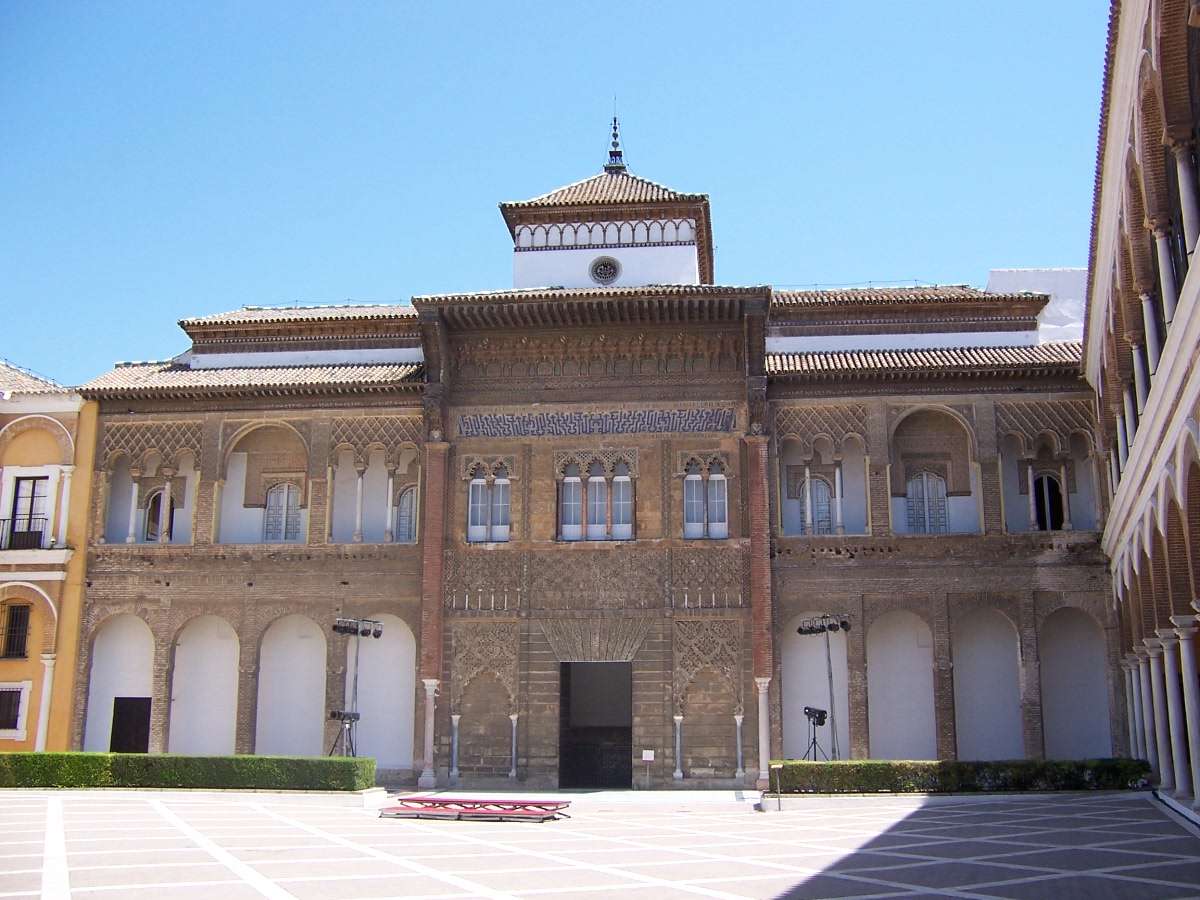
لا توجد كلمة اندلسي بل فقط موري.
udéjar[a] were Muslims who remained in Iberia in the late medieval period following the Christian reconquest. It is also a term for Mudejar art, which was much influenced by Islamic art, but produced typically by Christian craftsmen for Christian patrons.
Mudéjar was originally the term used for Moors or Muslims of Al-Andalus who remained in Iberia after the Christian Reconquista but were not initially forcibly converted to Christianityor exiled. The word Mudéjar references several historical interpretations and cultural borrowings. It was a medieval Castilian borrowing of the Arabic word Mudajjan مدجن, meaning "subjugated; tamed", referring to Muslims who submitted to the rule of Christian kings. The term likely originated as a taunt, as the word was usually applied to domesticated animals such as poultry.[5] The term Mudéjar also can be translated from Arabic as "one permitted to remain", which refers to the Christians allowing Muslims to remain in Christian Iberia.


و المرينيين كذلك , حتى ان هناك ملوك طوائف من الادارسة مثل بني حمود و بطليوس من مكناسة و هناك حتى زناتيين و هناك ملوك من كتامة و منهم من ينتمى لصنهاجة كلهم مور امازيغ تقريبا و انت ما زالت تخرفالحق معك أنا في واد وانت في واد
انت تذكر معلومات خاطئة فأقوم بتصحيحه لك وتنتقل انت لفكرة أخرى.
لكن لا مانع من تصحيح بعض المعلومات لك طراز البناء لقصر الحمراء ومسجد قرطبة الكبير ومسجد إشبيلية يسمى هكذا
estilo arquitectónico andaluz
أي الطراز الاندلسي وليس كما ذكرت.
فترة حكم المرابطين الاندلس استمرت 96سنة
وفترة سيطرة الموحدين إستمرت149 سنة
وطبعا هذه السيطرة تمت بعد عصر الانحطاط في الاندلس في حين استمرت الدولة الاموية في الاندلس 284 عاما طبعا بدون ذكر ملوك الطوائف.
و لماذا لم يستدعوا الحرفيين الدمشقيين ؟إنظر لهذا الرابط اخي الكريم وسترى مدى تشابه العمارة الدمشقية مع العمارة الاندلسية
تغريدات عن ميزات العمارة الشامية والبيوت الدمشقية وكيفية انتقالها للأندلس. https://t.co/fQMc98YHEs - د. وسام العظَمة 𝕯𝖗. 𝖂𝖎𝖘𝖘𝖆𝖒
تغريدات عن ميزات العمارة الشامية والبيوت الدمشقية وكيفية انتقالها للأندلس. https://t.co/fQMc98YHEs

هو نحن لا ننكر أنه للأندلس فضل كبير فيه، لكنه أيضاً مغربي بنفس الوقت هذه هي النقطة، لهذا نقول المعمار مغربي/أندلسي، لا يوجد أي مصادر أو كتب تاريخية تعطي تأكيد أو دليل لأصل المعمار لأنه تطور على مدى 8 قرون، وهذا التاريخ الطويل عرف تغيرات صخمة سواء على مستوى السياسة والثقافة والمعمار.على كل حال الاختلاف في الرأي لا يفسد الود
كل منا عرض وجهة نظره وإن لم نتفق فقد تعلمنا كلنا شيئا جديد واسعد الله مسائكم جميعا
وتبقى كلها تكهنات واجتهادات من الناس، لكن الواقع الاركيولوجي الذي يفرض نفسه أن المعمار كان موجود بالأندلس والمغرب الأقصى بكثافة كبيرة جداً بنفس الحقبة تاريخياً، وكلما تتوجه نحو الشرق يندثر ويتلاشى أثره بالكامل وقت تتجاوز مدينة تلمسان بالجزائر.
ولا يوجد سوى المغاربة حالياً بمملكة المغرب الذين يعرفون أسراره، وأبرع النقاشين والمزخرفين بالعالم هم مغاربة، ويسيطرون على كل المشاريع ببناء المساجد والقصور حول العالم، وهم من يرممون عمران الأندلس بالعصر الحديث.
التعديل الأخير:

لا علاقة بين الطراز الاندلسي المغربي الخالص و بين الطراز الشامي البيزنطي و الساساني الخالص ..ما يجمعنا هو الدين اما الثقافة مختلفة مع احترامي لشخصك ..بالرغم من البعد الجغرافي للمغرب العربي عن المشرق العربي إلا أني كلما زرت المغرب استنشقت عبق المشرق فيه
في مراكش نرى طراز البناء الاندلسي الذي يحمل إرث أجدادنا ونرى توأمه في حارات دمشق القديمة وما تبقى من بيوت قديمة في بيروت والقدس فكلما رأيت رياض في مراكش اتذكر المشرق.
فالمغرب بالرغم من تنوع اعراقه من امازيغ وعرب وغيرها الا انه يمثل إمتدادا للمشرق العربي بكل جوانبه، فما ارى المغرب إلا أحفاد المرابطين وخير خلف لخير سلف.
حفظ الله المغرب واهله الطيبين من كل شر وادام الله الرخاء والامن على اهله .


الجزائريون يعشقون الفن المغربي


هناك امر بديهي و لا يختلف عليه عاقلان، مهما كان اصل او انتماء او ثقافة من كانوا في الاندلس فاحفادهم اليوم لا يوجدون لا في الجزيرة العربية و لا في الشام و لا في اليمن و لا في مصر و لا حتى في ليبيا او تونس، احفاد الاندلسيين هم الآن في فاس و شفشاون و سلا و أصيلة و طنجة و العرائش و مراكش و الصويرة و القلة القليلة منهم في تلمسان لان أغلبهم نزح الى المغرب مع دخول العثمانيين الى المدن الجزائرية الغربية
و بالتالي من يحق له الحديث عن الإرث الاندلسي سوى المغاربة و لا احد غيرهم
و السلام عليكم و رحمة الله تعالى و بركاته
و بالتالي من يحق له الحديث عن الإرث الاندلسي سوى المغاربة و لا احد غيرهم
و السلام عليكم و رحمة الله تعالى و بركاته


الجزائر اول من وضع الزليج في قمصان المنتخب الوطني .... وانتم اللاحقون.
و من يصنع الزليج ؟الجزائر اول من وضع الزليج في قمصان المنتخب الوطني .... وانتم اللاحقون.
هل تعلم يا انسان ان كلمة المشور هي كلمة مغربية مخزنية و تعني دار المخزن , هل تعلم ان خشب الارز الموجود في قصر المشور يوجد في فاس , كل شيء اتى من المرينيين اثناء استرجاع تلمسان
انتم الشعب الوحيد الدي يدعي ان الزليج زليجه و لا يصنعه و القفطان قفطانه و لا يصنعه و الصومعة المغربية صومعته و هو لا يصنعها و له بقايا الموحدين و المرابطين ......
بعيدا عن الاختلاف حول الزليج والفسيفساء.
في الحقيقة تلك المخطوطات على قمصان الرياضة لا تعجبني .
العالم يعرف ان الزليج مغربي وهناك وثائقيات عديدة لصناعة الفسيفساء من عدة محطات واذاعات عالمية .
كان بالأحرى تركهم وتجاهلهم .
غذا سنرى منتخبهم يلعب بالقفطان وبالطربوش وبالجلابة هل معقول نرد عليهم.
هم بنفسهم كانوا يقولون المغاربة يعملون عندنا في النقش على الخشب والنقش على الجبس والزليج والآن أصبح ملكهم.
خليهم يبخروه ويديروه قديد وخليع
في الحقيقة تلك المخطوطات على قمصان الرياضة لا تعجبني .
العالم يعرف ان الزليج مغربي وهناك وثائقيات عديدة لصناعة الفسيفساء من عدة محطات واذاعات عالمية .
كان بالأحرى تركهم وتجاهلهم .
غذا سنرى منتخبهم يلعب بالقفطان وبالطربوش وبالجلابة هل معقول نرد عليهم.
هم بنفسهم كانوا يقولون المغاربة يعملون عندنا في النقش على الخشب والنقش على الجبس والزليج والآن أصبح ملكهم.
خليهم يبخروه ويديروه قديد وخليع
عقليتكم هكذا دائما ...تدعون ان كل شئ ملككم ،الزليج موروث اندلسي يوجد لدى دول شمال افريقيا والقفطان انتم تمتلكونه ونحن ايضا نمتلكه ،لدينا ثقافة مشتركة .و من يصنع الزليج ؟
هل تعلم يا انسان ان كلمة المشور هي كلمة مغربية مخزنية و تعني دار المخزن , هل تعلم ان خشب الارز الموجود في قصر المشور يوجد في فاس , كل شيء اتى من المرينيين اثناء استرجاع تلمسان
انتم الشعب الوحيد الدي يدعي ان الزليج زليجه و لا يصنعه و القفطان قفطانه و لا يصنعه و الصومعة المغربية صومعته و هو لا يصنعها و له بقايا الموحدين و المرابطين ......
تاريخنا حافل ومعتزين به .....ولسنا محتاجين شهادة امثالك اما عن الزليج وموروثات اخرى فهي لنا ولم نسرقها عجبك مو عاجبك باب يفوت جمل.....سير.الجزائر تتقن السطو و السرقة فلا إرث لها و لا تراث العثمانيون مسحوا كل شيئ و من بعدهم الفرنسيون ما تفعلونه هو فقط السطو على ممتلكات الآخرين، و حتى المشور في تلمسان تم ترنيمه من طرف حرفيين مغاربة في زمن بوتفليقة و هذا مثبت بالوثائق و الاهم من ذلك كله ان العالم كله يعلم ان الزليج مغربي حتى و لو وضعتموه في علمك الوطني او على مؤخراتكم و ليس فقط على قمصان منتخب الكرة
يا اخي اعطيني صورة لحرفيين جزائريين يصنعون هذا الموروث , انت اصلا لا تفرق لا بين الاصل و لا بين الثقافةعقليتكم هكذا دائما ...تدعون ان كل شئ ملككم ،الزليج موروث اندلسي يوجد لدى دول شمال افريقيا والقفطان انتم تمتلكونه ونحن ايضا نمتلكه ،لدينا ثقافة مشتركة .
قبل تقولوا الزليج الجزائري و الان ثقافة مشتركة هههههه , حتى اسبانيا تجلب حرفيين مغاربة للترميم و الاعمال الفنية
قادر نغرقك في مليون و 400 مليون متر مكعب من صور الحرفيين المغاربة الذي يصنعون الزليج او بالاحرى الزلايجيةعقليتكم هكذا دائما ...تدعون ان كل شئ ملككم ،الزليج موروث اندلسي يوجد لدى دول شمال افريقيا والقفطان انتم تمتلكونه ونحن ايضا نمتلكه ،لدينا ثقافة مشتركة .
- الحالة
- مغلق و غير مفتوح للمزيد من الردود.
المواضيع المشابهة

- الردود
- 11
- المشاهدات
- 2K

- الردود
- 133
- المشاهدات
- 23K

- الردود
- 1
- المشاهدات
- 2K
- الردود
- 6
- المشاهدات
- 7K
