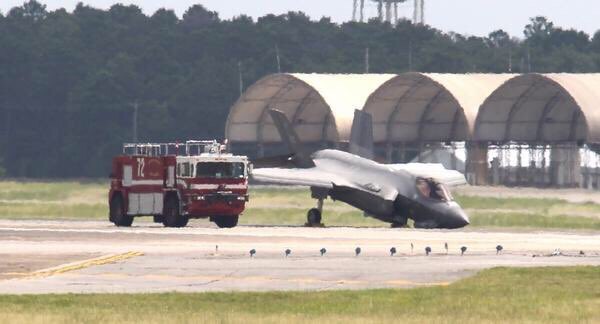
كانت هناك تقرير تفيد ان هناك مشاكل كثيره جدا في هذه الطاءره. وأنها ليست كما تدعي الدعايه الامريكية لها من حيث الامكانات و يضخمون جدا من قدراتها من اجل العمليه التسويقية. فتكلفه برنامجها و صناعتها تعدي ٨٠٠ مليار دولار.
أكيد أن لا شك في تطور هذه الطيارة ولكن بداء يتضح انه ليس كما خيلو لنا. فهناك مشاكل حقيقية بداءت تظهر ده غير ما لا نعلمه.
The F-35's interconnectedness already gives the U.S. government or Lockheed Martin an unprecedented level of export control. ALIS offers a way to cut off the distribution of software updates and important mission data to foreign operators, as well as possibly serve as an entryway for an offensive cyber attack to completely disable certain jets. Since ALIS identifies maintenance issues and helps order spare parts, it could make maintaining the already complex jetsdifficult, if not impossible. These are all things we at The War Zone discussed at length in the past here.
So far, only Israel has been able to secure the rights to operate its F-35I Adirs completely independently of ALIS if necessary and to add its own software on top of the system. Other Joint Strike Fighter users will remain dependent on the system even with the SDM.
These same issues could crop up if the U.S. government decides to allow additional countries to join the Joint Strike Fighter program. The United Arab Emirates, Saudi Arabia, and India have all expressed interest in the jets in the past and the latter two countries are buying S-400s, as well.
There have also been separate concerns that allowing the UAE and Saudi Arabia to buy F-35s could threaten Israel’s qualitative military edge in the region, despite warming ties between the three countries. ALIS could give the U.S. government enhanced safeguards to curtail Emirati or Saudi Joint Strike Fighter operations should the geopolitical situation change.